

OVERHILL HISTORY
The Tennesse Overhill is rich in history!
Deeply Rooted...
The Tennessee Overhill region in McMinn, Monroe, and Polk counties, Tennessee, is deeply rooted in 18th-century Cherokee history, defining the area west of the Appalachian Mountains. Originally a center for the Overhill Cherokee, it later became a hub for industrialization, mining, and logging, and is now preserved through the Tennessee Overhill Heritage Association.
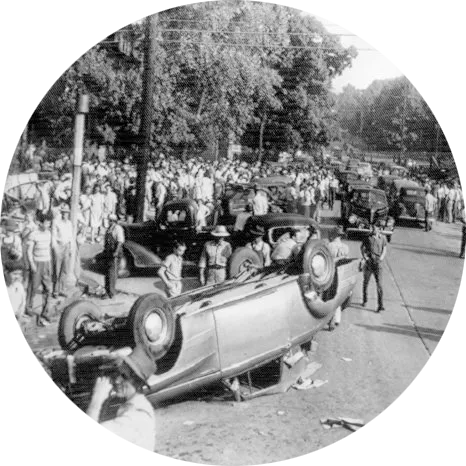
The Battle of Athens
After WWII in 1946, McMinn County veterans ran for office to oust a corrupt local government. On Officials locked themselves in the county jail with ballot boxes, prompting armed veterans to revolt. Gunfire was exchanged before officials surrendered with injuries but no deaths. The ballots were counted, the veterans’ ticket won, and the brief Battle of Athens gained national attention.
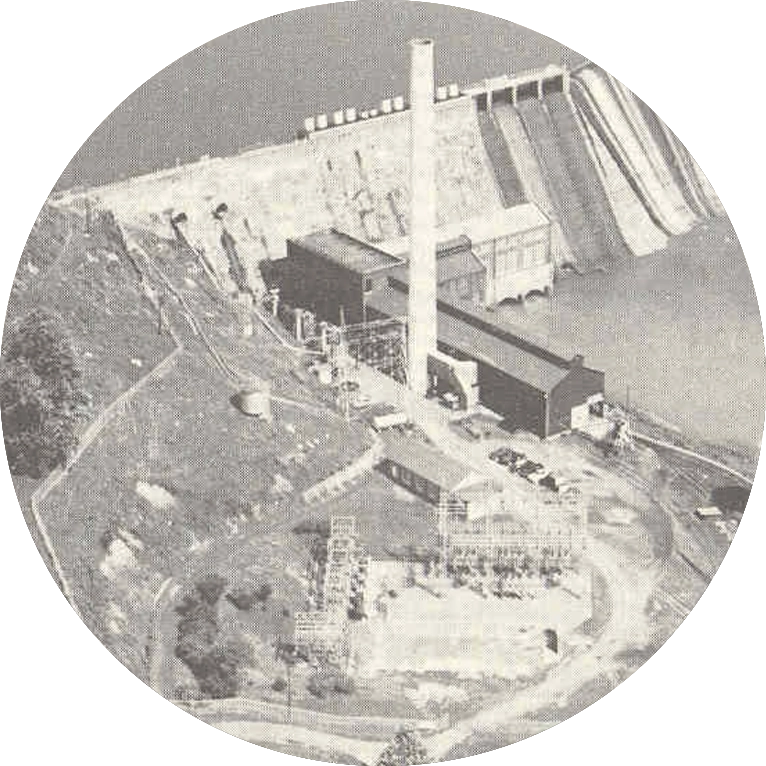
Ocoee Dam No. 1
Completed in 1911, Ocoee Dam No. 1 was one of Tennessee’s earliest hydroelectric projects, built to provide electricity to growing cities across the Southeast. Later acquired by the Tennessee Valley Authority in 1939, the dam remains an important part of the region’s industrial and energy history.
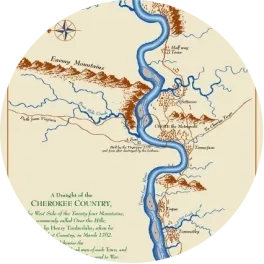
Overhill Cherokee Towns
Long before European settlement, this region was home to the Overhill Cherokee, whose principal towns like Chota, Tanasi, and Tellico were centers of government, culture, and daily life. These communities gave the Overhill region its name and remain central to its identity today.
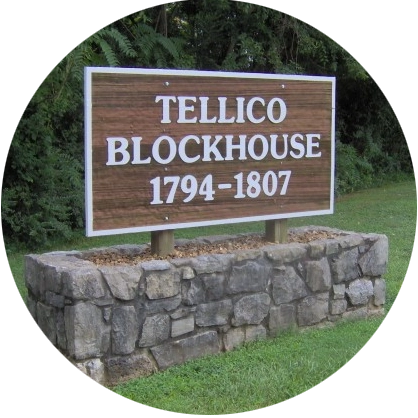
Treaty of Tellico Blockhouse
In 1794, a treaty signed near present-day Vonore established peace between the United States and the Cherokee after years of conflict. The Tellico Blockhouse became an important site for diplomacy and negotiation on the early American frontier.
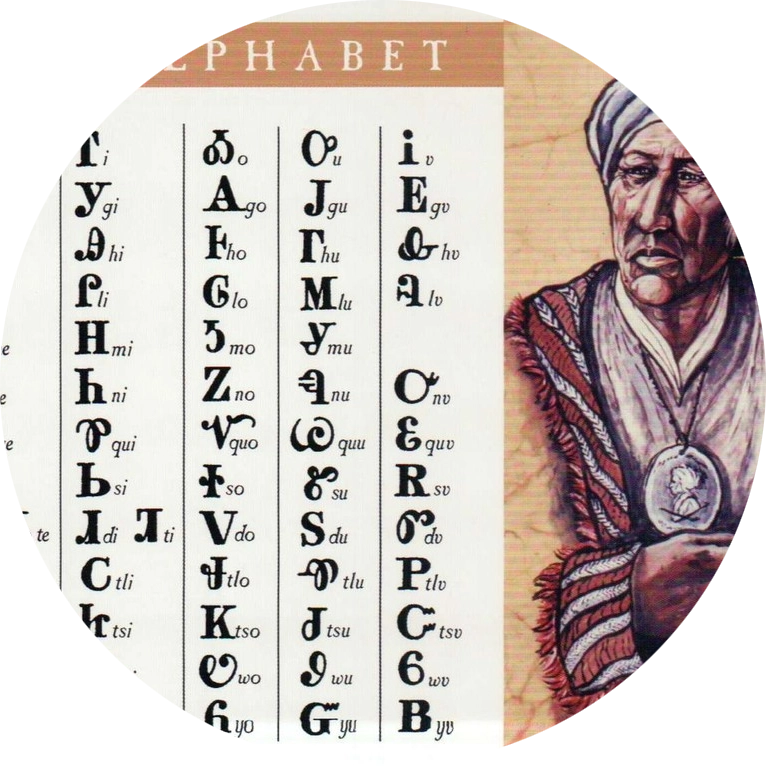
Sequoyah’s Written Language
Sequoyah, a Cherokee scholar who lived in the region, created a written language for the Cherokee people in the early 1800s. His syllabary made reading and writing accessible to thousands and remains one of the few writing systems ever developed by a single individual.
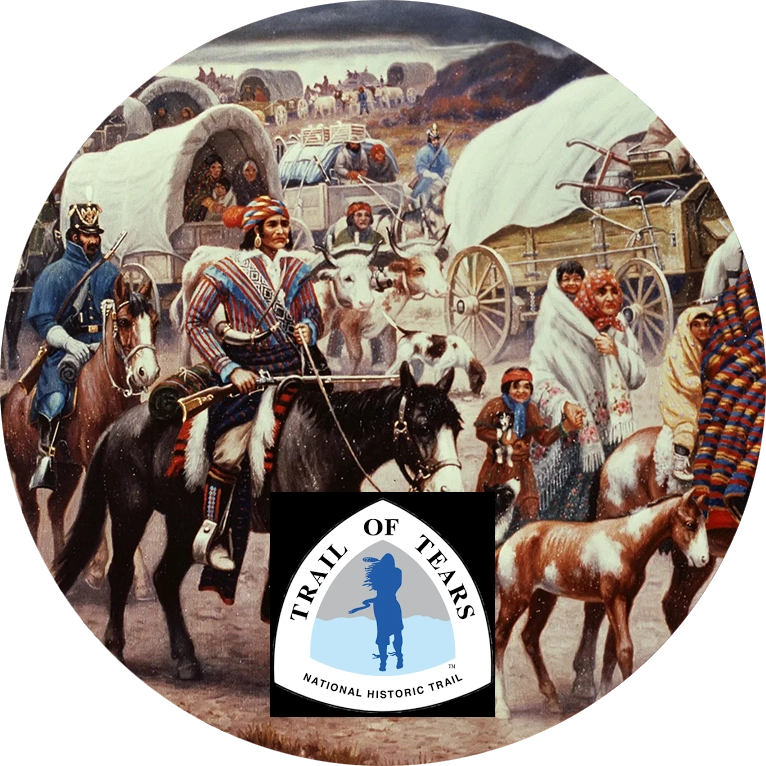
Trail of Tears Through the Overhill
In 1838, Cherokee people were forcibly removed from their homeland, and several detachments passed through this region. This tragic journey, known as the Trail of Tears, is a powerful and somber part of local and national history.
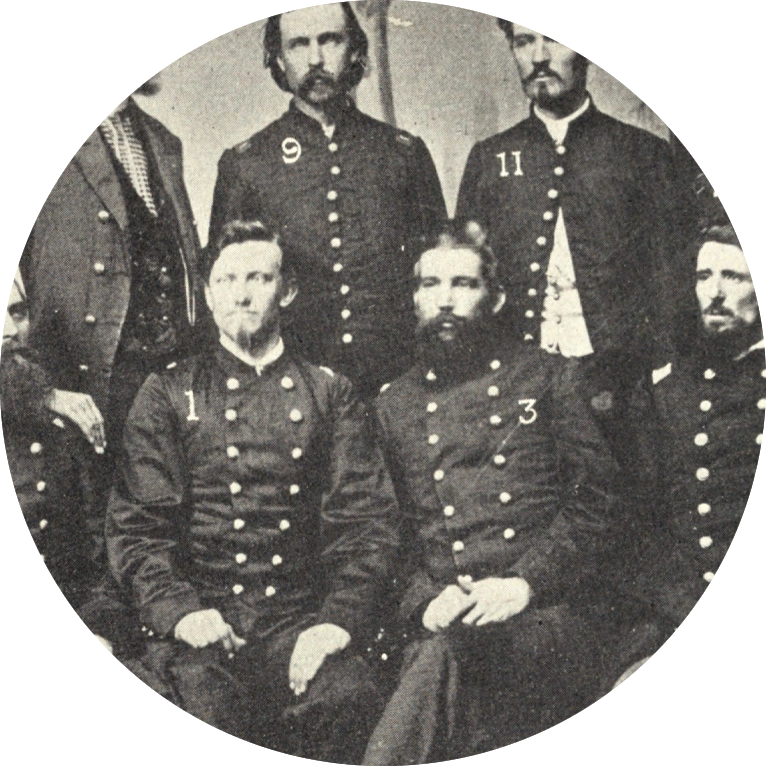
Civil War Divisions in East Tennessee
During the Civil War, many residents of McMinn, Monroe, and Polk counties remained loyal to the Union despite Tennessee’s secession. The region experienced occupation, raids, and deep divisions among neighbors and families.
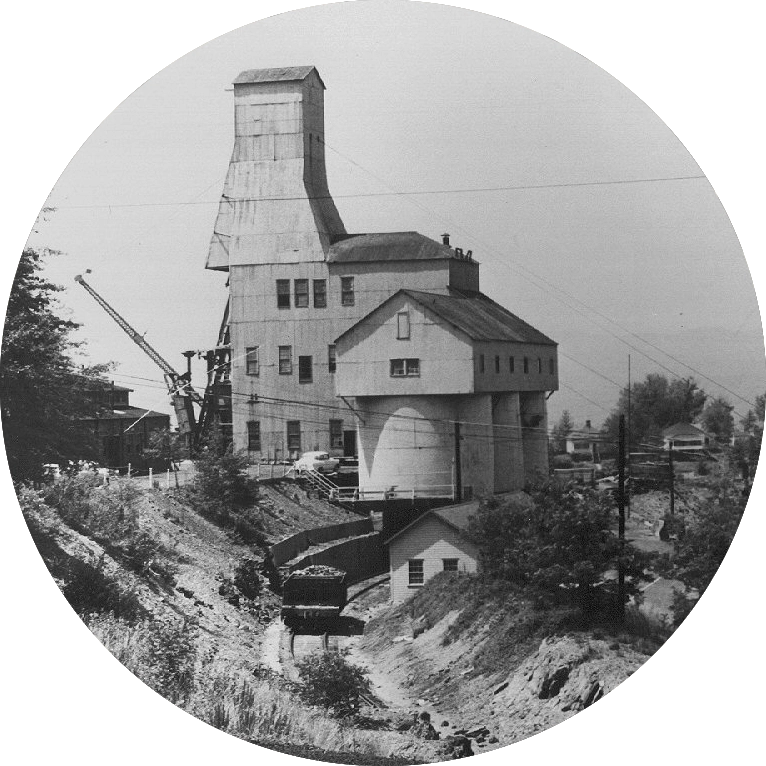
Copper Basin Mining Boom
In the mid-1800s, copper mining near Ducktown in Polk County grew into one of the largest operations in the country. The industry brought jobs and growth, while also dramatically shaping the landscape of the Copper Basin.
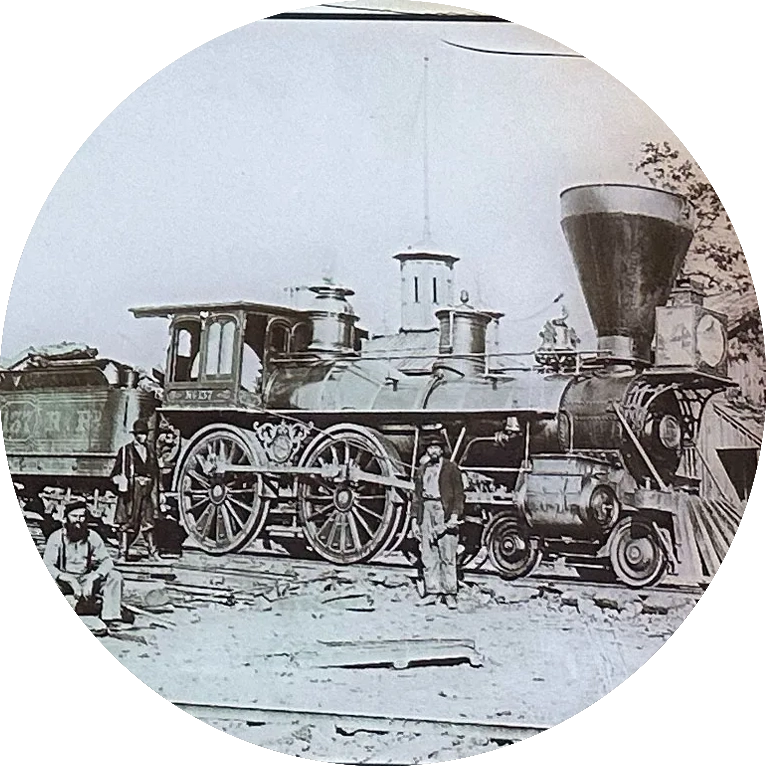
Railroads and Regional Growth
The arrival of the railroad in the late 1800s transformed towns like Athens and Etowah into transportation hubs. Rail lines connected the Overhill region to broader markets and played a key role in its economic development.
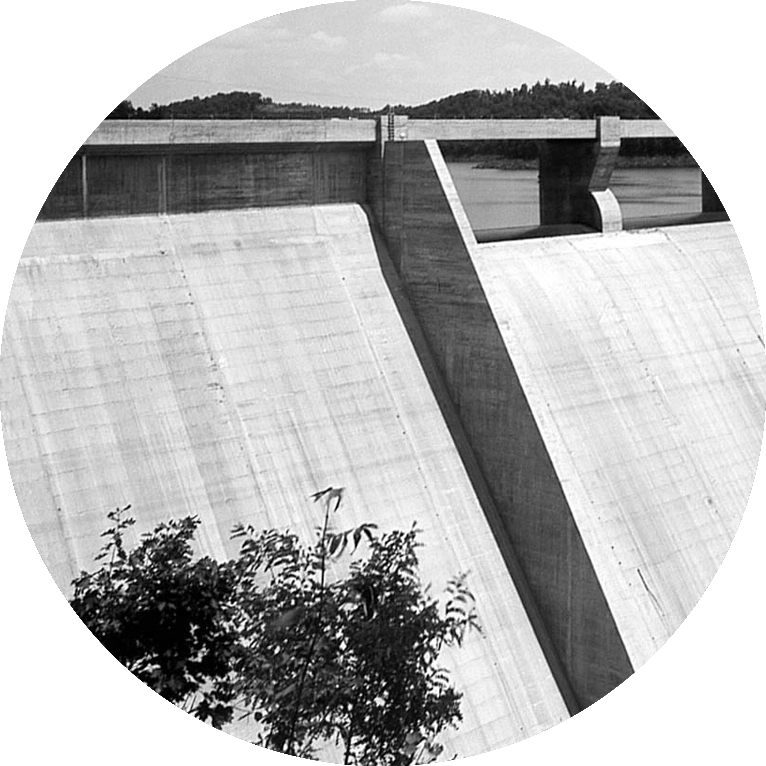
Hiwassee Dam and the TVA Era
Built in the 1930s and 1940s, Hiwassee Dam was part of the Tennessee Valley Authority’s efforts to bring electricity, flood control, and economic opportunity to the region. The project reshaped both the landscape and daily life for local communities.